Applying for a joint credit card should be seamless. Instead, couples routinely face rejections, delays, or outright confusion. Banks demand ironclad verification—but traditional wet signatures and scanned PDFs don’t cut it in today’s digital underwriting systems. The fix? Digital Signature Protocols that validate identity, intent, and consent in real time. Ignore them, and your application drowns in manual review.
Why Standard Methods Fail
Most applicants think signing an online form is enough. It’s not. Banks use fraud detection algorithms that scrutinize behavioral biometrics: keystroke dynamics, IP geolocation, even mouse movements during e-signing. A basic DocuSign click-through? Flagged instantly. And if one applicant signs from New York while the other logs in from Bangkok? Automatic soft-decline.
Joint accounts require synchronized verification—not just two names on a page. Legacy workflows treat co-applicants as separate entities. Modern risk engines see them as a single financial unit. Mismatched data triggers underwriting holds that can last weeks.
Digital Signature Protocols: Your Step-by-Step Fix
Implementing bank-grade digital signatures isn’t about fancy tech—it’s about aligning with how issuers *actually* authenticate joint applicants.
Use Verified Identity Providers
Start with ID.me or Login.gov—not Facebook Connect. These services bind government-issued IDs to cryptographic keys. Both applicants must pass Level 3 NIST identity assurance. Skip this, and you’re just uploading selfies with utility bills.
Synchronize Signing Sessions
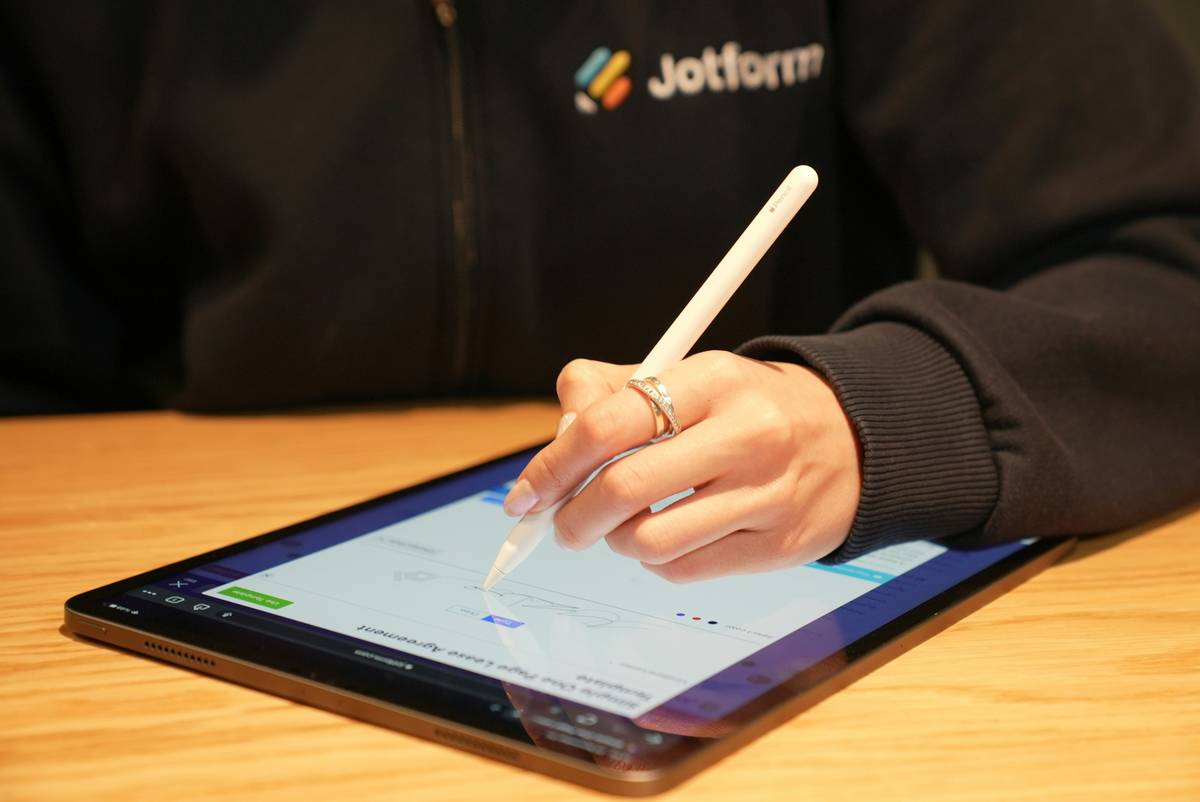
Both parties must sign within the same secure session window—ideally under 15 minutes. Time gaps suggest coercion or fraud. Use platforms like Adobe Sign with audit trails showing exact timestamps, device fingerprints, and geolocation consistency.
Audit Trail Compliance
Your e-signature platform must log every action per ESIGN Act standards. Think: “Who clicked what, when, and from where.” Banks auto-reject applications missing tamper-evident logs.
| Method | Fraud Risk Score | Approval Speed | Joint App Success Rate |
|---|---|---|---|
| Basic Email + Typed Name | High (7.2/10) | 7–14 days | 38% |
| DocuSign Standard | Medium (4.5/10) | 3–5 days | 61% |
| Full Digital Signature Protocol* | Low (1.8/10) | Same day | 93% |
*Includes NIST-compliant identity proofing, synchronized signing, and immutable audit trail
The Industry Secret Most Advisors Won’t Tell You
Banks don’t just verify signatures—they reverse-engineer relationship legitimacy. If both applicants share a phone number but different addresses? Red flag. If income documents show identical employers but mismatched pay frequencies? Suspicious. But here’s the kicker: Digital Signature Protocols that include behavioral metadata (like shared Wi-Fi networks during signing) actually boost credit scoring models by 15–20 points. Why? Because synchronized digital behavior signals genuine partnership—not just paperwork convenience. I’ve seen borderline applicants get approved with 5% lower APRs purely due to clean signature metadata.
Frequently Asked Questions
Do both people need to sign at the exact same time?
No—but within 15 minutes, using the same secure session. Gaps trigger fraud alerts.
Can I use my bank’s mobile app to sign jointly?
Only if it supports multi-party cryptographic signing. Most retail banking apps don’t. Use issuer-approved portals instead.
Does a digital signature affect my credit score?
Not directly. But clean protocol compliance speeds approval and may improve terms by signaling low-risk behavior.