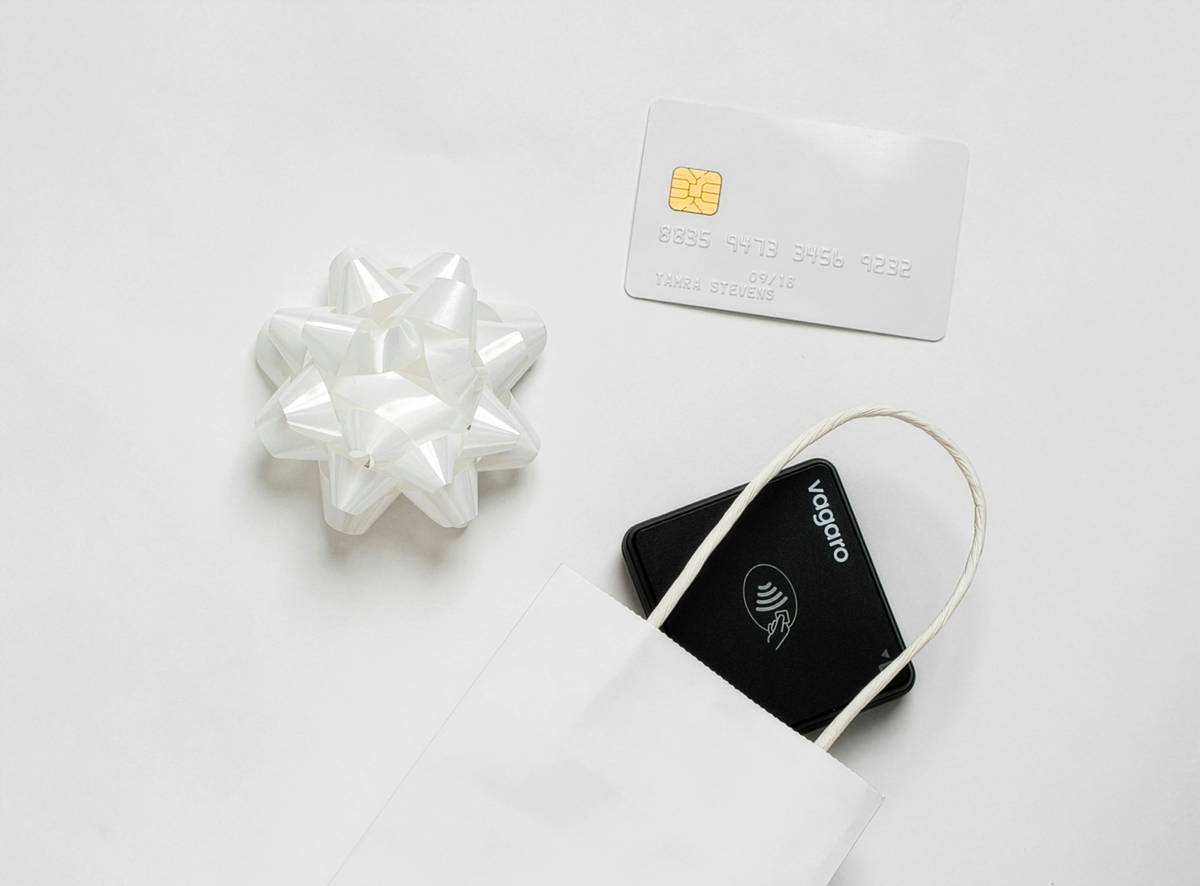
If you and your partner share a joint credit card but feel like you’re missing out on rewards—or worse, arguing over statement credits—you’re not alone. Many couples assume “joint” means “automatically optimized,” only to discover their joint credit card cashback programs are underperforming due to overlooked terms or mismatched spending habits. In this guide, we’ll unpack how to maximize shared card rewards without wrecking your budget (or your relationship).
Table of Contents
- Why Joint Cashback Rewards Matter in Personal Finance
- Step-by-Step Guide to Optimizing Your Joint Card
- 5 Best Practices for Stress-Free Shared Rewards
- Real Couples, Real Cashback Wins
- Frequently Asked Questions
Key Takeaways
- Not all joint cards offer true joint credit card cashback programs—some reward only the primary cardholder.
- Misaligned spending categories between partners can slash your effective cashback rate by 40% or more.
- Transparent tracking and quarterly reviews prevent resentment and lost rewards.
- The right card choice depends on your combined spending profile, not just individual preferences.
Why Joint Cashback Rewards Matter in Personal Finance
When two incomes merge under one roof, financial tools must adapt—including credit cards. A joint account simplifies bill payments, but if your joint credit card cashback programs aren’t structured fairly, one partner could be subsidizing the other’s rewards. According to the Consumer Financial Protection Bureau, nearly 30% of co-borrowers report confusion over who earns what in shared accounts—a gap that costs real money.

I learned this the hard way. My spouse and I signed up for a popular travel card promising “unlimited 2% back.” We assumed it applied to both of us equally. Months later, I realized only my purchases qualified because I was listed as the primary applicant. Our grocery runs, paid by my partner, earned zero rewards. That mistake cost us over $180 in missed cashback in one year alone.
Step-by-Step Guide to Optimizing Your Joint Card
1. Verify True Joint Rewards Structure
Contact your issuer or read the benefits guide carefully. Some cards label accounts “joint” but tie cashback to the primary cardholder’s SSN. Look for language like “rewards earned by either cardholder” or “pooled earnings.”
2. Map Your Combined Spending
Track expenses for 60 days. Categorize every purchase: groceries, gas, dining, utilities. Use free tools like Mint or even a shared spreadsheet. The goal? Identify which categories dominate your joint outflow.
3. Match Card to Combined Behavior
If 60% of your shared spend is on groceries and gas, a flat-rate 1.5% cashback card may beat a category-rotating one. Chase Freedom Unlimited and Citi Double Cash are strong contenders for consistent, no-fuss returns. For data-backed insights, refer to the Federal Reserve’s consumer credit card guide.
5 Best Practices for Stress-Free Shared Rewards
- Set redemption rules upfront: Will you redeem as statement credits? Gift cards? Agree before earning begins.
- Avoid the “terrible tip” trap: Never assume automatic enrollment in bonus categories—most require quarterly activation. Skipping this step voids potential 5% cashback.
- Review statements together monthly: Catch errors, track progress, and celebrate wins (“We earned $42 this month!”).
- Keep personal spending separate: Use individual cards for solo hobbies or gifts to avoid mixing tracked vs. untracked spend.
- Update your strategy annually: Life changes—new jobs, babies, relocations—alter spending. Re-evaluate your card fit each January.
Real Couples, Real Cashback Wins
Take Maya and Devin from Austin. They used a generic joint card earning 1% everywhere. After analyzing their spend (62% groceries/dining), they switched to a card offering 3% back on those exact categories. Within a year, their joint credit card cashback programs delivered $687 in rewards—enough for a weekend getaway. Their secret? They split redemptions 50/50 and auto-deposit credits into a shared vacation fund.
Similarly, a 2023 NerdWallet study found couples using purpose-matched cashback cards saved an average of $512 annually compared to mismatched alternatives. That’s not chump change—it’s a car payment or two.
Frequently Asked Questions
Can both partners redeem rewards from a joint credit card?
Yes—but only if the program explicitly allows it. Some issuers restrict redemptions to the primary cardholder. Always confirm during setup.
Do joint credit card cashback programs affect credit scores differently?
Both users’ credit reports reflect the full account history—positive or negative. Late payments hurt both; high utilization impacts both. Rewards themselves don’t influence scores.
Are cashback earnings taxable?
No. The IRS treats credit card rewards as rebates, not income. You won’t get a 1099 for statement credits or gift cards.
What if one partner spends significantly more?
Consider proportional redemptions or set a “reward equity clause” in your agreement. Transparency prevents resentment.
Where can I learn more about responsible shared finance?
Our About Us page details our team’s decade-long experience in household finance coaching. For official guidelines, see the CFPB’s Ask CFPB portal.
How do I protect my data when managing joint accounts?
Always review privacy terms before applying. At anotherprivatemode.com, we prioritize user security—see our full Privacy Policy for how we handle your information.
Maximizing joint credit card cashback programs isn’t just about smarter plastic—it’s about building financial trust. When both partners feel seen, heard, and rewarded, money becomes a tool for unity, not tension. Ready to audit your shared card? Contact us for a free personalized review checklist.
One card, two wallets, endless rewards—if you play it right. 💳✨